The Art and the Artist


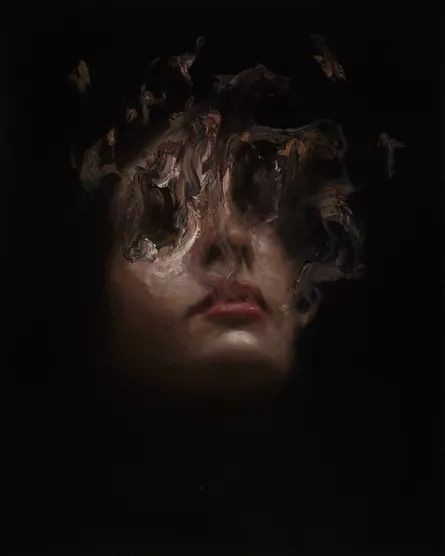
One of my recent cinematic indulgences was a movie called Tár. The movie concentrated on Lydia Tár, a renowned musician who happened to be an unpleasant person, yet highly talented and gifted in classical music. Throughout the movie, one can assess if it is possible to see the woman for her immaculate skills rather than her shrews and uncanny behaviours. I would not go on further to discuss the movie in further detail, for this is not a review nor a critique of the movie. But I would insist on discussing if one can love the art apart from the artist [the creator].

The relationship between art and the artist is an undefined territory. For many artists out there, their art has an intense entanglement within their being. If many artists were asked to define what their art upholds to them, without a doubt, they remain speechless. Because, well, their art is a mere part of themselves taking a form of a certain reality. Tangible and authentic. For some, if not most, art is a way of articulation of their pain. Or intense ecstasies such as love or the infinitude of one’s happiness. Either way, it is this undeniable connection that makes the question remain in shades.

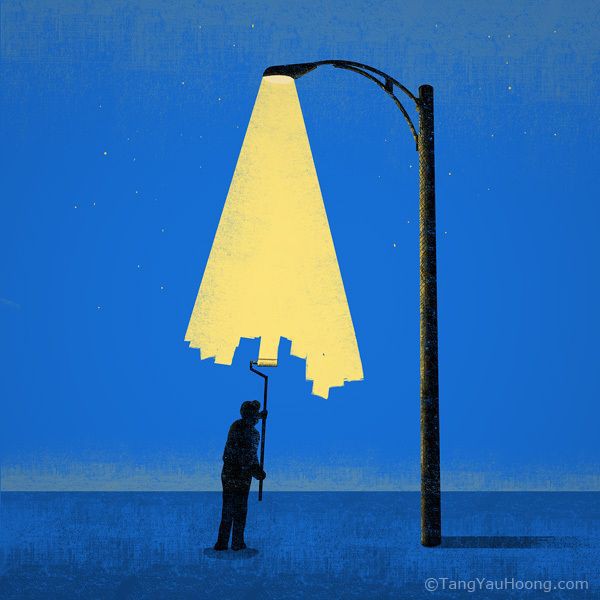
Does the art fully reside in the artist, though? Yes, undoubtedly, it can become the centre of every act of the artist. But are we meant to find the shreds of his soul or his entire being poured out?

If we were to find the entire being of the artist in the pieces he writes/paints/records, it would make it more than difficult to see them as two distinct entities. That would mean we can fully understand and explore the being of the artist via his art. It would simply mean the art is the artist. And the artist is the art. But I have to admit that it is a bit far-fetched for we humans are much more complicated to be found piled on a piece. Wouldn’t that be something if it was possible, though?

As this gnawing thought spread in my head, I asked my poet friend if he could separate the art from the artist. “I wish to believe that I can distinctly see these two”, he answered. “But”, he went on, “I have seen myself being biased after getting to know the artist. And in many instances, I would prefer if I did not know much about them. It helps me to enjoy the work genuinely.”

As I mentioned, I believe this is an undefined territory. Yet, despite who or what kind of person the artist is, there are undeniable masterpieces I can not seem to hate. After all, aren’t we humans? Imperfect and full of blemishes? Just because we can produce something authentic, it doesn’t necessarily make us transcendental beings. Our art, the piece of our soul, can become transcendental, but not us. I think that is why we always admire art, no matter who we are. For something precious is born from those who are imperfect to live life as supposed.

That is the very reason why it is easy to appreciate art for what it is. This is why a true artist never cares for accolades and recognition. The actual embodiment of the work is rewarding enough. It is true that art fully resides in the artist. But the artist exists in parts to leave his heartbeat elsewhere.


Originally published on February 28/2023
The Aesthetic Form of Art


Recently, I had a long argument on a particular perspective of Art with a friend. Since the discussion was over the phone (which I am deeply grateful for), it ended in an open bracket with neither of us giving our intended conclusion. At least on my part. The question on the table was whether every piece of art can become a source of moral guidance. Or a true reference of a principle we would like to acquire. I would say, definitely not.

Passion, emotion, and an analytical mind make a grand combination for curating any work of art. The magnified effect of one of the three might result in unscrupulous work. Or unfinished thoughts, at times. However, maintaining the balance among these three might be the hardest venture one might take upon. Balance is a quest we are always intrigued by, after all. 

This is exactly why, more often than not, art might just be reflective. We might find the heart and soul of the artist without having any didactic principles for ourselves. It is, sometimes, the analyzed perception of oneself as viewed critically. It might be full of jest and a kinder judgment, at other times. It could also be romanticized, victimized, and lack of true self-awareness. One must not forget the uncanny countereffect of the perils of self-reflection, anyway. 

Anyhow, can we ever give a single definition for art? Can we say this is an art, but the other is not? On what standards, really? If art is, just, reflective, can it still be art?

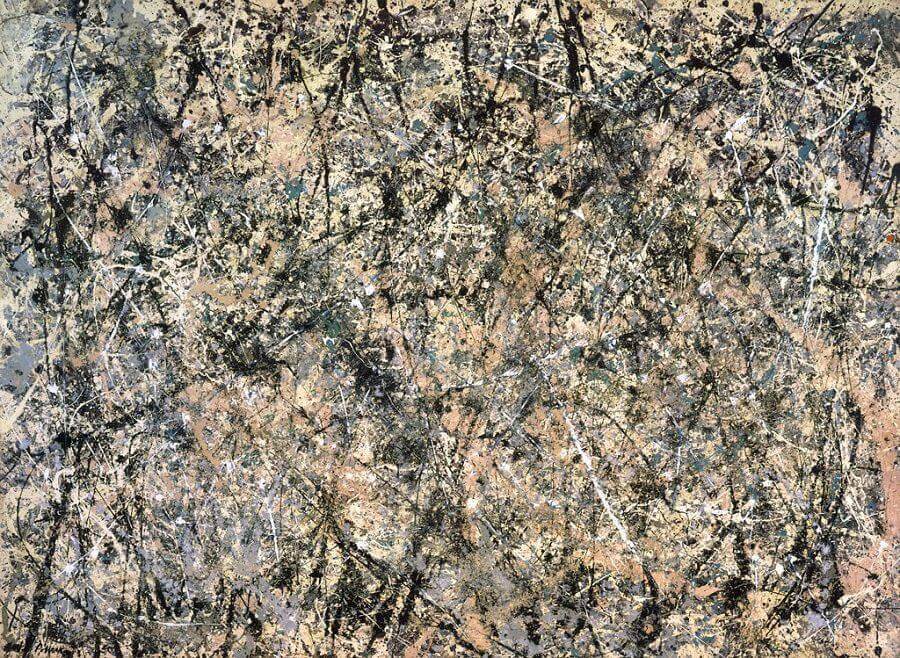
In the 19th century, there was an art movement called Aestheticism. In short, the mantra of the thought was art for art’s sake. It glorified art for what it is. Beauty. A caricature. The leading artists took away the weight of having meaning and implications to appreciate and muse over the work. It might seem like they appropriated the definition of art for their cause. But how can that be a crime since we all do it for whatever greater cause we assume to have? Hated by philistinism believers and those who are disdainful of intellectual or artistic values, the movement was replaced after all. Some even called it a cult for beauty. However, as one reflects on this form of art, there is undeniable significance it can bring to our current trends

Nowadays, we find many people writing, painting, mixing, or recording themselves to relieve the sore feeling they are experiencing. And I sometimes wonder if the final fate of art is becoming a vent of our emotions and turmoils?

This is why I would recommend having a reflective art journal. A notebook. A note-taking app on phone. Any writing or doodling device one can afford to have would do. For one, jotting down your ideas would help correctly track the train of thought one has. It is, sometimes, hard to distinctly understand the intended meaning if it is not further reflected upon. It is also helpful to differentiate the exaggerated versions from the realistic part of it. Having this process would prevent a hasty publication without a good look of a self-critic.   

By no means, I cannot judge or acclaim whether that is an art or not. But I would assert this: Perhaps one must carefully analyze and speculate whether every vent is a work of art. For the deep respect I have regarding art I, to the very least, wish to hear a critically challenged perception of thought other than a shallow observation of any incident. Although we, as humans, are cursed to be more than biased (on our emotions) in our utterances, a few things might help to refine our works like that of a reflective art journal. Otherwise, one is doomed to be a slave of a cacophony of undifferentiated voices leaving art at the mercy of jest and unworthy status. 

For me, still, art can be a reflective summary. If one can find a guiding principle for life, wouldn’t that be gold? But I don’t suppose we must always find a prescriptive rule of law for life.

https://blog.lolinemag.com/article/the-aesthetic-form-of-art/?utm_source=copy_link_hiwotlemi&utm_campaign=social_share

eARTh


If, as they say, art is madness,
Rather than sapience,
Whether it’s nothing,
Or everything,
None matters without it.
For the eARTh itself
Is entangled
And brewed entirely in it.

If, as they say, art is madness,
I’m, then, wallowing in neurosis.
Or maybe in the groans
Of the entire universe.

If the whelms can disperse
In the mighty presence of art,
The undeniable force, yet, lives
And they called it madness.

Blog at WordPress.com.

Up ↑

Design a site like this with WordPress.com
Get started